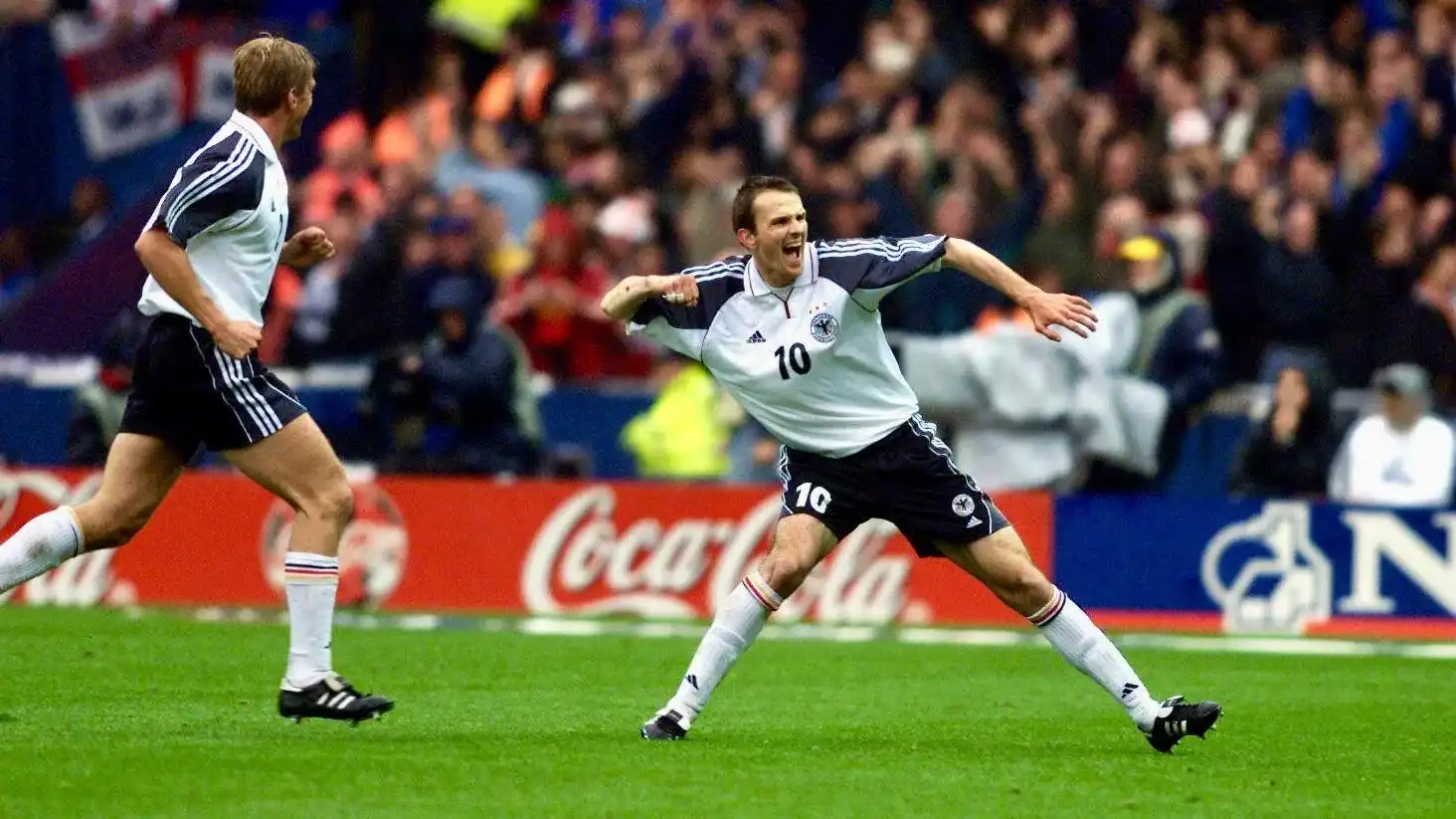
Dietmar ‘Didi’ Hamann claimed a piece of football history when he fired home a free-kick in the 14th minute of Germany’s 2002 FIFA World Cup™ qualifier away to England. It would prove to be the only goal of the game, the last scored at the old Wembley Stadium before it was demolished in 2003 – and it was scored by a German of all people.
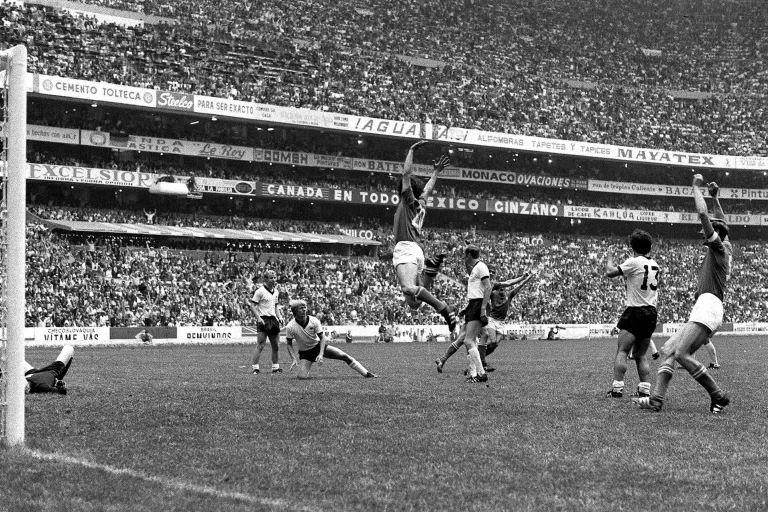
It was the very same stadium where West Germany had suffered one of their most bitter defeats – the 1966 FIFA World Cup™ final. Hamann’s hammer is now 25 years old, yet it is still a goal that is brought up in conversation in Germany time and again.
Hamann’s effort from all of 30 yards was no mere hit-and-hope, but rather a deliberate attempt to drill the ball hard and low at goal in testing and wet conditions. England goalkeeper David Seaman, who was still busy lining up his wall, got his fingertips to the ball but was unable to keep it out. “I was sure that I would have a strike at goal,” Hamann said after the game. “The conditions were very tough for the goalkeepers, very wet. Seaman wasn’t really ready for the shot, so I had a quick strike, and fortunately it went in.”
The original Wembley was opened in 1923 and hosted more than 80 England internationals, numerous FA Cup finals, the 1966 World Cup showpiece and the UEFA EURO 1996 trophy decider, as well as the 1948 Olympic Games. It is no small irony, then, that the last goal on the famous hallowed turf was netted by a German and not by one of the countless England heroes who lined up there over the years.
The symbolism was not lost on anyone – Germany claimed a vital 1-0 win and Kevin Keegan resigned as England coach soon after the match. It was a dark day for the Three Lions, but for Germany it was sweet revenge for their 1-0 defeat at the hands of their great rivals at EURO 2000 – where both teams failed to get past the group stage. For Hamann, who played much of his club football in England, it was a real career highlight.
Less than a year later, however, the picture had changed, with England outclassing Germany in their own backyard with a crushing 5-1 victory in Munich on 1 September 2001. Michael Owen bagged a hat-trick and the Germany defence behind Hamann was overrun. Within the space of a year, the Wembley hero had become part of an historic reverse.
Despite that humiliation in Munich, which meant that Germany had to settle for second place in the group, Rudi Voller’s charges went on to reach the 2002 FIFA World Cup Korea/Japan™ via the play-offs and made it all the way to the final. Hamann was a mainstay in defensive midfield in Asia and played in six of Germany’s seven matches, missing only the Round of 16 clash with Paraguay due to suspension.
Germany ultimately slipped to a 2-0 loss to Brazil in the final in Yokohama on 30 June 2002, and Hamann and Oliver Kahn, two of the team’s leading lights in the tournament, inadvertently played a part in the defeat with two costly mistakes for the opening goal. Hamann lost the ball on the edge of the penalty area, Kahn spilled Rivaldo’s shot, and Ronaldo was on hand to slot home.
Hamann, who now works as a TV pundit, called time on his international career in 2005 with 59 caps and five goals to his name. He may not be remembered as a player who broke records, as a leader like Michael Ballack, as a goalscorer like Miroslav Klose, or as a mentality monster like Bastian Schweinsteiger, but rather as an understated lynchpin and strategist: a man who was often in the right place at the right time in the big games and who always put himself at the service of the team.