Not so long ago, a single Arab nation qualifying for the FIFA World Cup™ was celebrated across the region as a rare, monumental feat. Today, however, the picture has changed dramatically, with eight teams that took part in the FIFA Arab Cup Qatar 2025™ having secured their spots at the FIFA World Cup 2026™.
Although some sides competed with domestically-based squads or without their Europe-based players at the Arab Cup, the tournament nevertheless served as an effective dress rehearsal for the global showpiece.
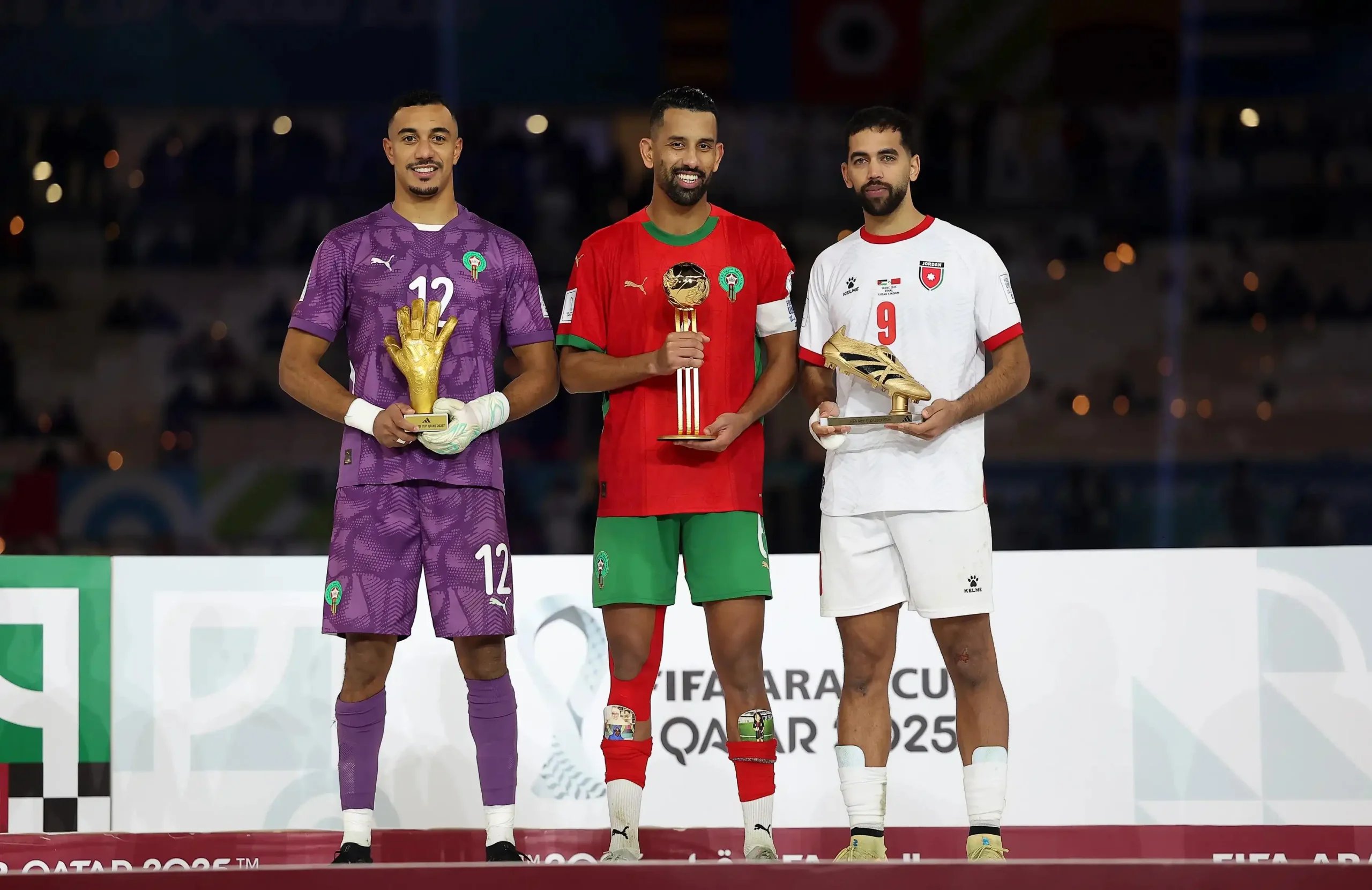
The Arab Cup final was a showdown between Morocco and Jordan, with the Atlas Lions claiming the title after an enthralling 3-2 victory. Iraq, meanwhile, were focused at the time on the Play-Off Tournament in a bid to secure World Cup qualification, yet still managed to reach the quarter-finals before falling to Jordan by a single goal.
Eight Arab teams at a World Cup is entirely without precedent, and it raises the ceiling of ambition from mere participation to the pursuit of history, particularly after Morocco’s run to the semi-finals at Qatar 2022 gave Arab players confidence that they can compete with the very best.
To grasp the true scale of this milestone, one need only look back at recent editions of the World Cup. Arab representation has typically been modest – Russia 2018 and Qatar 2022 each featured four Arab sides, which itself was considered a major achievement at the time.
At both Brazil 2014 and South Africa 2010, a single Arab side carried the hopes of the region. The 2006 and 2002 editions saw just two Arab nations each, while three featured at France 1998.
In every other edition, the Arab world has been represented by one or two teams at most, making the 2026 tournament exceptional by every measure and underlining the rising standard of Arab football on the global stage.
Rich Arabic World Cup history
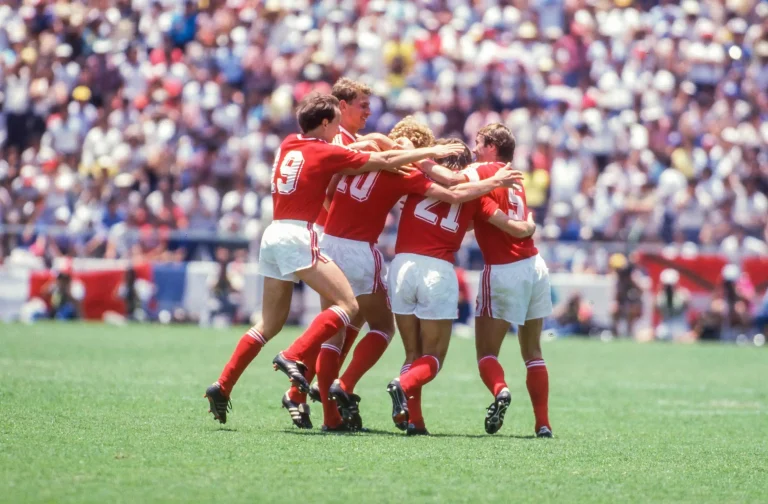
Arab football made its global debut in the very earliest editions of the competition, with Egypt leading the way as the first Arab nation to appear at a World Cup, doing so at Italy 1934. Morocco, meanwhile, became the first Arab side to progress beyond the group stage, which they did at Mexico 1986. In 2022, the Atlas Lions astonished the world by reaching the semi-finals and finishing fourth.
In 2026, none of the eight Arab sides will be content with simply showing up. Each of them aims to make history, whether by securing a first-ever win or finally overcoming the group-stage hurdle.
Algeria
Appearances: 5 (1982, 1986, 2010, 2014, 2026)
Best finish: Round of 16 (2014)
Overall record: W3 D3 L7
After painful absences from the 2018 and 2022 tournaments, the Fennecs return with fierce determination to put things right and reassert themselves on the global stage. Coach Vladimir Petkovic will field a formidable squad featuring Riyad Mahrez, Amine Gouiri, Houssem Aouar and Mohamed Amoura, aiming to deliver an attacking display that could see them match or even surpass their run to the last 16 at Brazil 2014.
Egypt
Appearances: 4 (1934, 1990, 2018, 2026)
Best finish: Group stage
Overall record: W0 D2 L5
The Pharaohs’ primary and most pressing objective is a first-ever World Cup victory. Under Hossam Hassan, Egypt are eager to move on from their underwhelming 2018 showing and deliver a campaign worthy of their status as Africa’s most decorated side. They will be depending on global stars Mohamed Salah and Omar Marmoush in pursuit of a win that has eluded them for nearly a century.
Iraq
Appearances: 2 (1986, 2026)
Best finish: Group stage (1986)
Overall record: W0 D0 L3
After a 40-year absence, the Lions of Mesopotamia return to the global stage seeking to write a new chapter in their history and claim their first-ever World Cup victory. Iraq will lean on the experience of Australian coach Graham Arnold and the talents of key players such as Aymen Hussein, Ali Al-Hamadi and Amir Al Ammari – all the tools to mount a respectable campaign.
Jordan
Appearances: 1 (2026)
The Nashama will make their historic World Cup debut coming off their finest stretch of football, buoyed by a brilliant run to the final of the most recent AFC Asian Cup. Jordan’s ambitions extend beyond showing up, with stars such as Mousa Al Tamari and Yazan Al Naimat – should he recover from injury in time – aiming to cause upsets and play the role of dark horse under Moroccan coach Jamal Sellami.
Morocco
Appearances: 7 (1970, 1986, 1994, 1998, 2018, 2022, 2026)
Best finish: Fourth place (2022)
Overall record: W5 D7 L11
Morocco head into this edition with their sights set on scaling the heights once more to prove that their extraordinary run at the last World Cup was no fluke. Despite Walid Regragui’s departure and Mohamed Ouahbi’s appointment ahead of the tournament, Moroccan fans have high hopes that a squad laden with talent – led by Achraf Hakimi, Brahim Díaz and Yassine Bounou – will deliver another unforgettable campaign in North America.
Qatar
Appearances: 2 (2022, 2026)
Best finish: Group stage (2022)
Overall record: W0 D0 L3
After debuting as hosts in 2022, the Maroons qualified on merit this time. Back-to-back Asian Cup champions, Qatar look to erase the disappointment of their first World Cup showing, relying on the experience of coach Julen Lopetegui and their stars – Akram Afif and Almoez Ali chief among them – to deliver a campaign they can be proud of.
Saudi Arabia
Appearances: 7 (1994, 1998, 2002, 2006, 2018, 2022, 2026)
Best finish: Round of 16 (1994)
Overall record: W4 D2 L13
Saudi Arabia are hungry to reach the knockout stages after years of early exits. The squad boasts a mature generation of players who have benefited enormously from the spectacular rise of the domestic league and regular exposure to global stars – captain Salem Al Dawsari chief among them – as they look to recapture the magic of 1994.
Tunisia
Appearances: 7 (1978, 1998, 2002, 2006, 2018, 2022, 2026)
Best finish: Group stage
Overall record: W3 D5 L10
Making it past the group stage remains the long-awaited dream for Tunisian football. The Eagles of Carthage will go into this year’s tournament as a cohesive unit under Sabri Lamouchi, who took charge following the last Africa Cup of Nations in Morocco. The squad can call on standouts like Seifeddine Jaziri, Naim Sliti and Mohamed Ben Ali as they seek to make this the edition in which they finally break their first-round curse.