A long and illustrious list of coaches are poised to feature at the FIFA World Cup 2026™ for the second time or more when the action gets under way in North America this June.
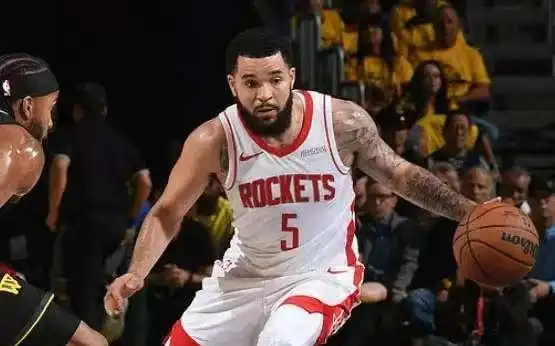
For starters, the two tacticians who took their places in the dugout for the Qatar 2022 final, Lionel Scaloni and Didier Deschamps, are set to return to the fold. The South American strategist will be back on the global stage for a second time, while the Bayonne-born boss, who led Les Bleus to victory over Croatia in a thrilling title decider at the 2018 FIFA World Cup Russia™, is preparing to grace a fourth edition of the competition as a coach.
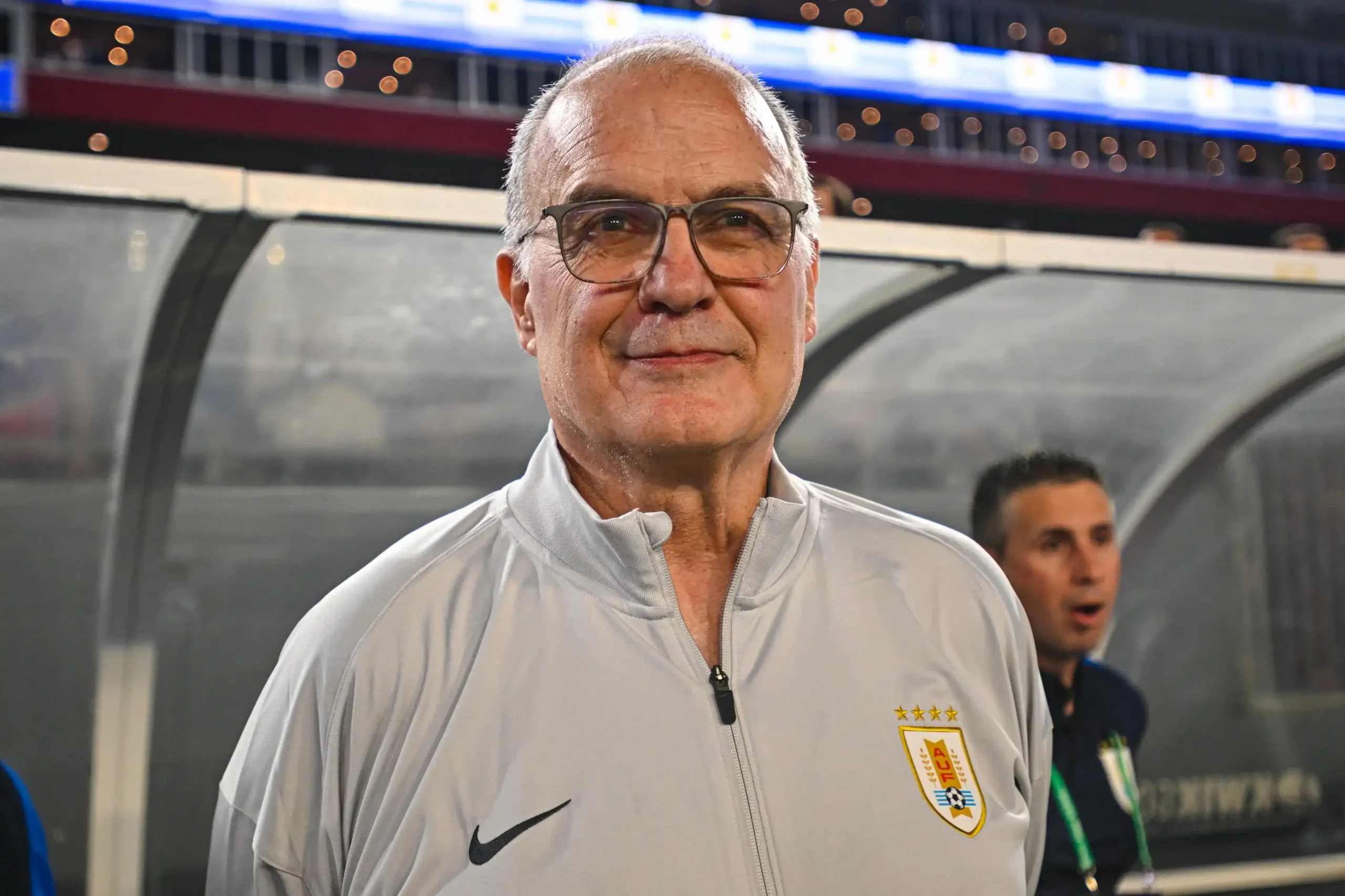
Marcelo Bielsa is another top-level boss returning to the World Cup, as the 70-year-old prepares to guide Uruguay to success at his third finals, having cut his teeth on this stage with his native Argentina in 2002, before leading Chile out eight years later.
The tactical mastermind took up the reins of La Celeste in May 2023 in place of Diego Alonso, and hit the ground running. He claimed three straight victories and recorded back-to-back wins over Brazil and Argentina in qualifying for the World Cup 2026. Uruguay ultimately finished fourth with 28 points – a number the nation have surpassed only once since CONMEBOL moved to a single-table qualifying format – as they eased to the finals.
As El Loco prepares for his third World Cup, FIFA has taken a trip down memory lane to relive his two previous visits to the global extravaganza.
Korea/Japan 2002
After taking 43 points out of 54 on offer in the CONMEBOL preliminary competition, Bielsa’s Argentina headed into the 2002 FIFA World Cup Korea/Japan™ as one of the favourites to lift the coveted crown.
Despite applying his trademark, ultra-attacking style and uncompromising tactical principles to his signature 3-3-1-3 formation, Bielsa’s star-studded squad struggled to deliver. Although Hernan Crespo had occupied the centre-forward role throughout qualifying, Gabriel Batistuta got the nod to lead the line at the global showpiece, and the noise surrounding Bielsa’s refusal to field the duo together became an unwanted distraction.
Argentina edged to victory over Nigeria in their Group F opener thanks to Batigol’s angled header from a corner in the 63rd minute. That triumph promised to give a team bursting with talent such as Roberto Ayala, Diego Simeone, Juan Sebastian Veron and Pablo Aimar a shot in the arm.
However, their next outing against England ended in a 1-0 defeat, meaning La Albiceleste’s ambitions of progressing rested on their final group-stage outing against Sweden. Despite creating numerous chances, Argentina were unable to make their dominance count in a 1-1 draw which saw the South American head home early.
Following Argentina’s elimination, Bielsa’s contract was renewed in recognition of his endeavours. He would step down two years later after winning gold at the Men’s Olympic Football Tournament Athens 2004.
South Africa 2010
Bielsa led a Chile team to South Africa which was the epitome of El Loco. The side, which was also packed with talent, featured a high press, breakneck counter-attacks, marauding full-backs and a high-intensity approach to regaining possession.
Lining up in what proved to be one of the most fiercely contested groups in the competition, La Roja kicked off their campaign by beating Honduras 1-0 courtesy of a close-range goal by Jean Beausejour. Next up were Switzerland, who came into that game having toppled Spain in their first bout. Another 1-0 win followed, with Mark Gonzalez’s close-range header putting Chile on the brink of the knockouts.
In their last group-stage encounter, Vicente del Bosque’s slick Spanish outfit simply had too much for El Loco’s harriers, who were reduced to ten men when Marco Estrada was handed his marching orders shortly before the interval. Despite a 2-1 defeat, Chile advanced to the Round of 16, where they were pitted against the formidable Brazil. The Chileans were unable to lay a glove on the Canarinha, though, who eased to a 3-0 success in Johannesburg.
Although they bowed out, La Roja, who had not lined up at the World Cup since 1998, had established themselves as a force to be reckoned with again, and the tournament served to blood a new generation starring Arturo Vidal, Alexis Sanchez and Gary Medel. The trio were part of an impressive side that would go on to make their mark by qualifying for the 2014 FIFA World Cup Brazil™ and landing consecutive Copa America crowns in 2015 and 2016.
The global bonanza in South Africa was something of a vindication for Bielsa’s methods. Even though he failed to mastermind a campaign for the history books and stood down in February 2011, he did plant the mother of all seeds as Chile went on to greater things in subsequent years.