
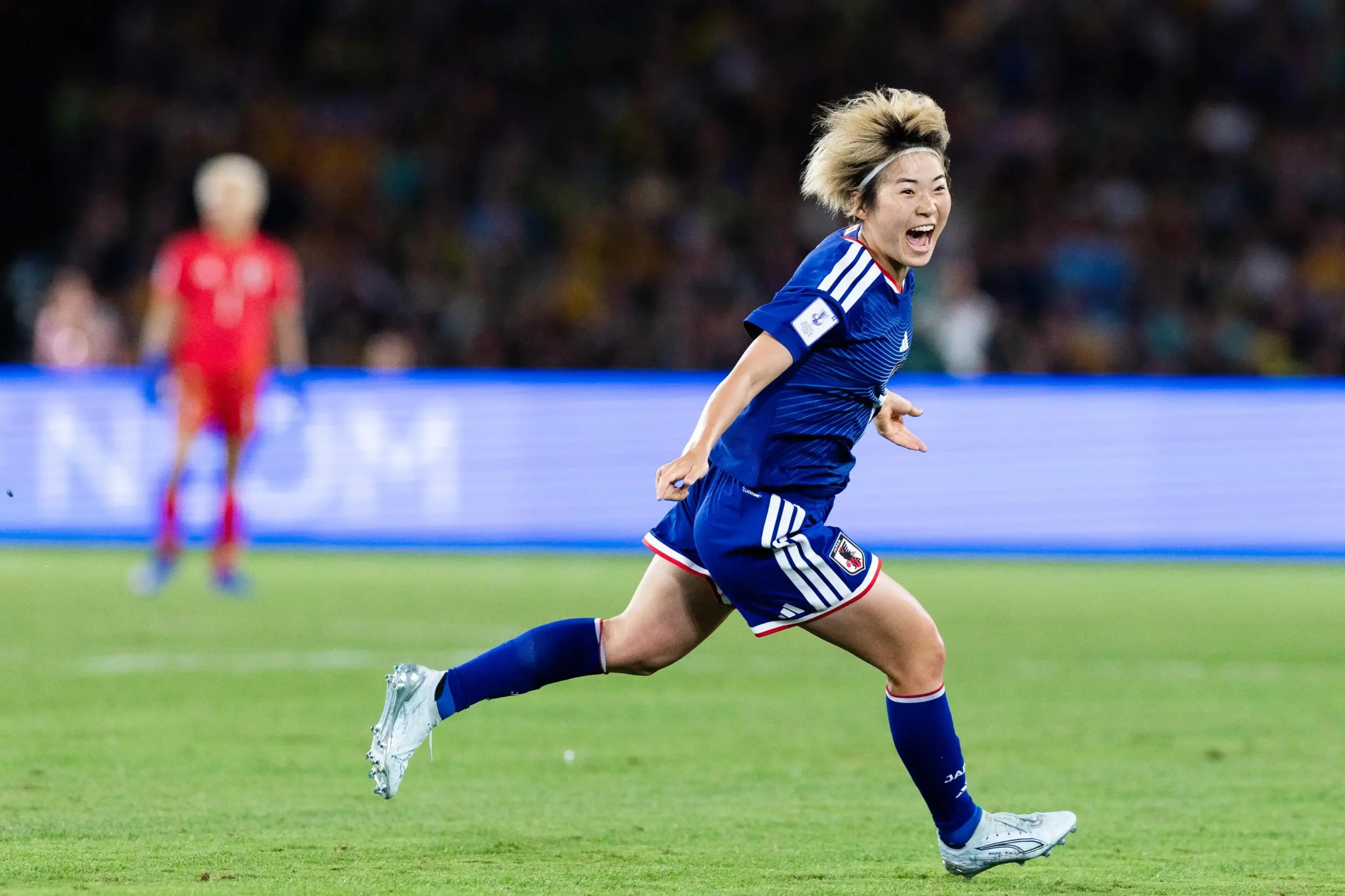
Japan defeated Australia 1-0 in the final of the AFC Women’s Asian Cup 2026 in Sydney, winning the tournament for the third time in their history, and their first since 2018. The match was decided by a stunning strike from Japanese starlet Maika Hamano, with the win ensuring Japan will travel to the FIFA Women’s World Cup Brazil 2027™.
It was her third of a tournament in which she led her side from the front with a series of excellent performances. However, it has not always been smooth sailing for Hamano. Although she claimed the prestigious adidas Golden Ball award for being the best player at the FIFA U-20 Women’s World Cup 2022™, she was forced to make do with a silver medal after her side fell to Spain in the decider.
There would be further disappointment in store for Hamano at the FIFA Women’s World Cup Australia & New Zealand 2023™, as fitness struggles in the lead-up to the tournament saw her opportunities limited. Despite making it off the bench for the closing stages of the quarter-final against Sweden, she was unable to fully impact the game and left the pitch in tears of frustration.
Nonetheless, Hamano is not a player to let disappointment derail her progress. This season saw her make a loan switch from Chelsea to Tottenham Hotspur, looking to gain more playing time and develop further as a player.
During the final, it became clear how much that move has played dividends. In the 17th minute, she received a pass from the left wing, spun on the edge of the area and unleashed a curling shot into the Australian net, securing the trophy for Japan.
“The atmosphere as we lifted the trophy was incredible,” she said following the full-time whistle. “I’m so grateful to the staff, the rest of the team and all the fans who came here from Japan to support us. I think there’s still a lot to come from me, but I’m delighted that I’ve managed to achieve my goal with this trophy.”
Of course, victory is never achieved through the performances of a single player. Japan won all six games they contested, scoring 29 and conceding just one as they steamrolled their way to the title. Their build-up play was geared around the initiative of Yui Hasegawa and the movement of Hinata Miyazawa, who brought significant flexibility to the midfield area. Pairing this with a solid defence and unpredictable attack turned out to be a sure-fire recipe for success.
As well as the tournament marking a return to the top for Hamano, it was also a showcase of the potential that the Nadeshiko possess. Their dominant showings won them many admirers and dispelled whatever doubts still lingered over the team following their disappointing early exit at the previous global finals.
At the heart of it all was Hamano herself. Although she is still young, the 21-year-old’s growth as a player has gone hand in hand with the evolution of the Japanese side as a whole.
Having claimed the title of Asian champions, they now have their sights firmly set on Brazil. How far this team can go remains very much an open question, but one thing is clear: they are back on the road toward the very peak of international football.