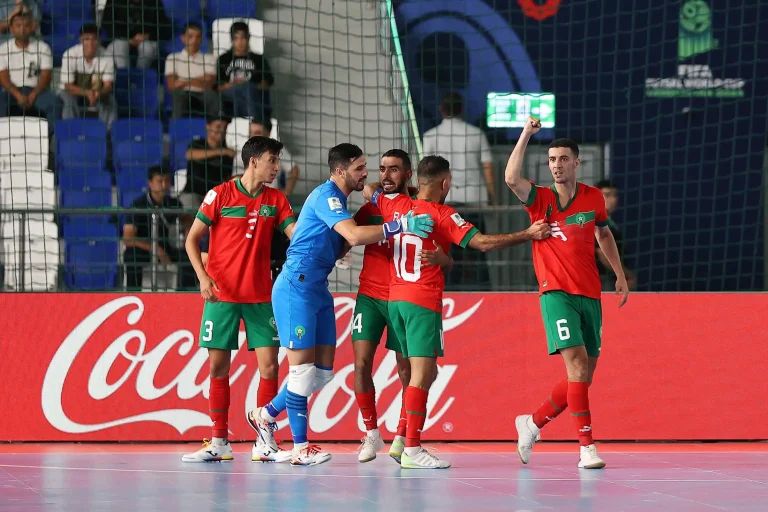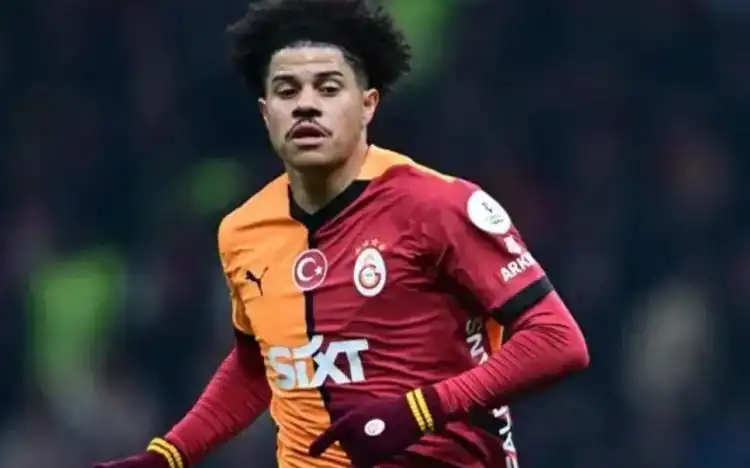
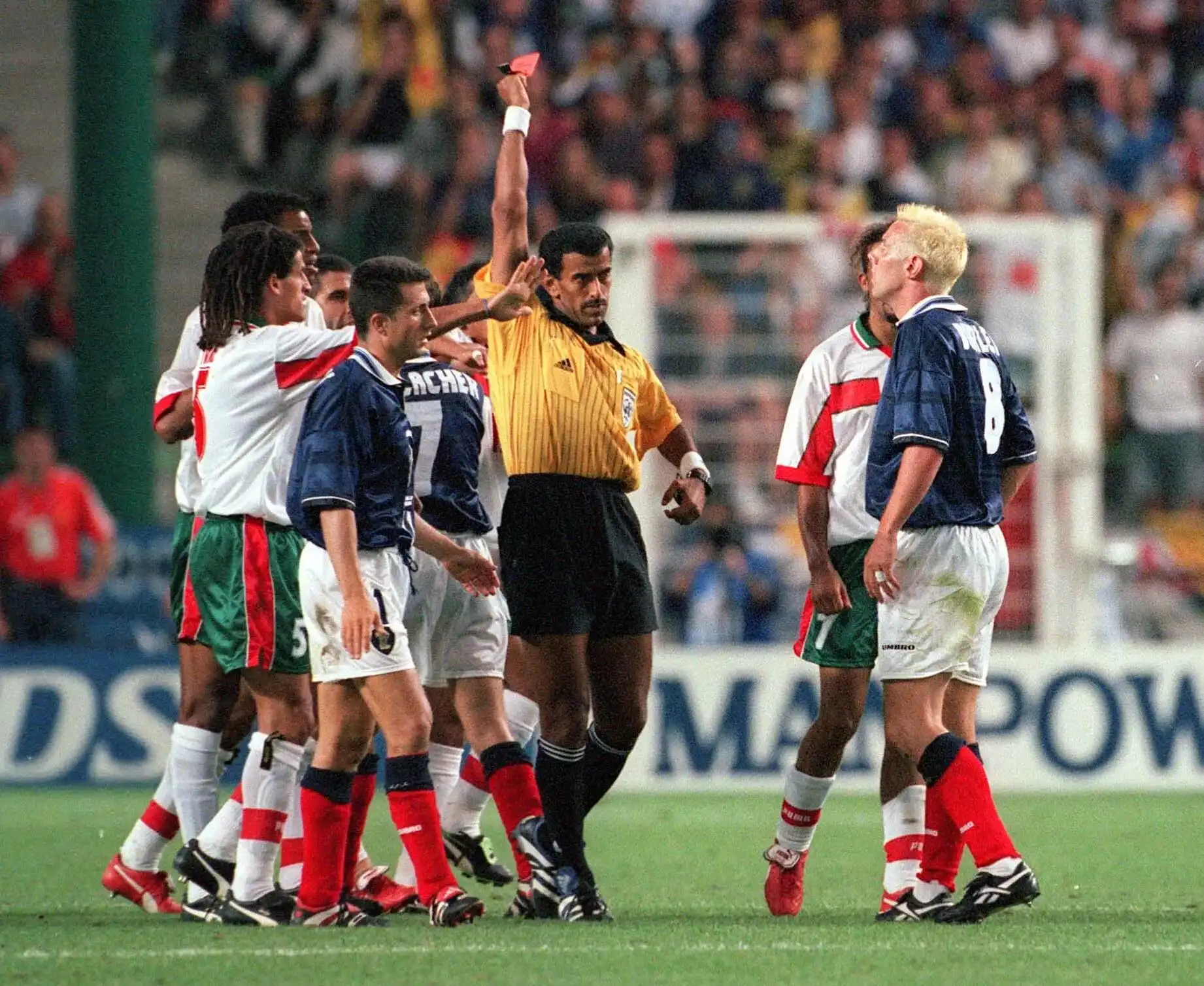
History seems to have a habit of repeating itself. Nearly three decades after facing off at France 1998, Brazil, Morocco and Scotland will come toe-to-toe once again in the group stage at the FIFA World Cup 2026™.
Alongside Norway, these three nations made up Group A at the 1998 finals and provided some of the most thrilling outcomes of the tournament.
Brazil entered the tournament as defending champions and, with arguably the strongest squad in the world – featuring generational talent Ronaldo alongside a fearsome group of stars – they topped the group with an impressive showing right from their opening match with Scotland.
Morocco, meanwhile, led by Mustapha Hadji and Salaheddine Bassir, delivered a performance that remains etched in their nation’s memory, with the Atlas Lions securing a draw with Norway, losing 3-0 to Brazil, before defeating Scotland by the same margin in their final match.
For a while, it seemed as though Morocco had done enough to qualify for the knockout stages, but a late goal for Norway against Brazil turned the group on its head, knocking the Atlas Lions out of the tournament, despite their four-point tally.
In the end, it was Brazil and Norway who progressed to the round of 16, ending the World Cup journeys for Morocco and Scotland. The Seleção maintained their impressive run all the way to the final, where they were beaten 3-0 by hosts France.
Now, 28 years later, these three teams are set to meet once again, but with new squads, different expectations and a radically changed footballing world order.
Morocco – an emerging global force
The most striking change in this group comes in the shape of the Atlas Lions. Although the Moroccan national team were ranked 10th in the FIFA/Coca-Cola Men’s World Ranking during the World Cup in 1998, the side had no global accolades to their name, and their principal goal in the tournament was to progress from the group stage.
Ahead of the 2026 tournament however, Morocco are ranked eighth in the world, an all-time high position that reflects the country’s development into one of sport’s major powers, as demonstrated by their fourth-place finish at Qatar 2022.
And it is not just the senior team finding success, with the nation’s U-23 squad securing the bronze medal in the Men’s Olympic Football Tournament Paris 2024, and the U-20 side lifting the trophy at the FIFA U-20 World Cup Chile 2025™.
Morocco’s coaching set-up has also seen a considerable change over the past 28 years. In 1998, French coach Henri Michel guided the team through the tournament. This year, that responsibility will fall to a local, Mohamed Ouahbi, who took over from Walid Regragui in March.
Brazil – seeking renewed glory
In 1998, Brazil were at the height of their footballing glory, though the picture today is somewhat different. Although they have stayed among the world’s best teams, the World Cup title has eluded the nation since Korea/Japan 2002.
Brazil are now trying to reclaim their lost throne, and are looking to a generation led by standout stars such as Vinícius Jr and Raphinha to do so, all in the knowledge that their supporters will settle for nothing less than gold.
Similar to Morocco, Brazil have undergone a coaching shakeup. In 1998, they were led by Mario Zagallo, but in 2026 the Seleção will follow the guidance of Italian Carlo Ancelotti, who is set to become the first overseas coach to take charge of Brazil at the finals.
Scotland – a return after a long absence
The Scottish team of today bears very little resemblance to the one of 1998. Back then, Scotland was something of a mainstay at the World Cup, participating in five consecutive editions from 1974 and appearing in six tournaments out of seven.
After France 1998, the Scottish team hit a lull, and wouldn’t find their way back to football’s biggest stage for another 28 years. Their return in 2026 has not been the result of mere chance, though. The current line-up has grown into a high-quality, well-organised side led by top-class players such as Scott McTominay, who was named Serie A Player of the Year 2025, as well as outstanding full-back Andy Robertson.
Unlike Brazil and Morocco, Scotland has stayed consistent in choosing local coaches to lead the national team. Having been led by Craig Brown in 1998, Steve Clarke will take the helm for the side in 2026.