Scotland 3-2 Netherlands
Argentina 1978 | First group stage
Estadio de Mendoza, Mendoza
Attendance: 35,130
Scotland goals: Dalglish (44), Gemmill (46 pen, 68)
Netherlands goals: Resenbrink (34 pen), Rep (71)
Teams
Coach: Ally MacLeod
Starting XI: Alan Rough, Stuart Kennedy, Willie Donachie, Bruce Rioch, Tom Forsyth, Martin Buchan, Archie Gemmill, Asa Hartford, Joe Jordan, Graeme Souness, Kenny Dalglish
Coach: Ernst Happel
Starting XI: Jan Jongbloed, Wim Suurbier, Wim Rijsbergen, Ruud Krol, Jan Poortvliet, Johan Neeskens, Wim Jansen, Johnny Rep, Rene van der Kerkhof, Willy van der Kerkhof, Rob Rensenbrink
Substitutions: Johan Boskamp for Johan Neeskens (10), Pieter Wildschut for Wim Rijsbergen (44)
Hitherto head-to-head record
While Scotland won all three of the earliest encounters, the tide turned in this fixture with a 3-0 Netherlands win at Hampden in 1966. That began a three-match unbeaten run for the Dutch, who had triumphed 2-1 in the sides’ most recent meeting: a 1971 Rotterdam friendly.
Going into the game
“You can mark down 25th June 1978 as the day Scottish football conquers the world. I’m so sure we can do it that I give my permission here and now for the big celebration to be made a national holiday: a national Ally-day.”
So said Alistair ‘Ally’ MacLeod, the Scotland manager who – for a few months in 1978 – gave his normally downbeat football nation permission, and encouragement, to dream.
Later, when asked by a famous TV reporter what he would do if Scotland won the World Cup, MacLeod replied without hesitation. “Retain it.”
Though undeniably ambitious, MacLeod’s statements weren’t, in fairness, entirely outlandish. While Scotland will be rank 250-1 outsiders for this year’s FIFA World Cup, in 1978 they travelled to Argentina as 9-1 dark horses, with a squad that justified at least some of their manager’s belief.
Kenny Dalglish and Graeme Souness had just won a second successive European Cup with Liverpool, while John Robertson, Archie Gemmill and Kenny Burns – England’s recently crowned Footballer of the Year – were on the verge of inspiring Nottingham Forest to an identical achievement. Add in the likes of Joe Jordan, Gordon McQueen and Bruce Rioch, and pundits agreed that this Scotland team could, and likely would, compete with the best.
That enthusiasm was quickly extinguished in South America, however, first by a hapless 3-1 opening-match defeat to Peru, then a grim 1-1 draw with unfancied debutants Iran. MacLeod, whose hubris had stoked pre-tournament enthusiasm, found himself pilloried for poor team selection and lax, complacent preparations.
“With a bit of luck in the World Cup, I might have been knighted,” he lamented at the time. “Now I’ll probably be beheaded.”
Scotland still had their final Group 3 match to play, but it was against a Netherlands team that had thrilled the world en route to reaching the final four years earlier. The Dutch, who would repeat that feat in Argentina, were leading the section and only needed to avoid defeat by a margin of three goals or more in order to progress.
Mission impossible beckoned for the Scots and their beleaguered manager.
The game
With Souness starting for the first time in the tournament, Scotland started well and had a goal incorrectly disallowed for offside before conceding an equally controversial opener. Years later, Johnny Rep would admit to having committed a “schwalbe” – roughly translated as a dive – in order to win the penalty from which Rob Resenbrink slotted home his fourth goal of the finals.
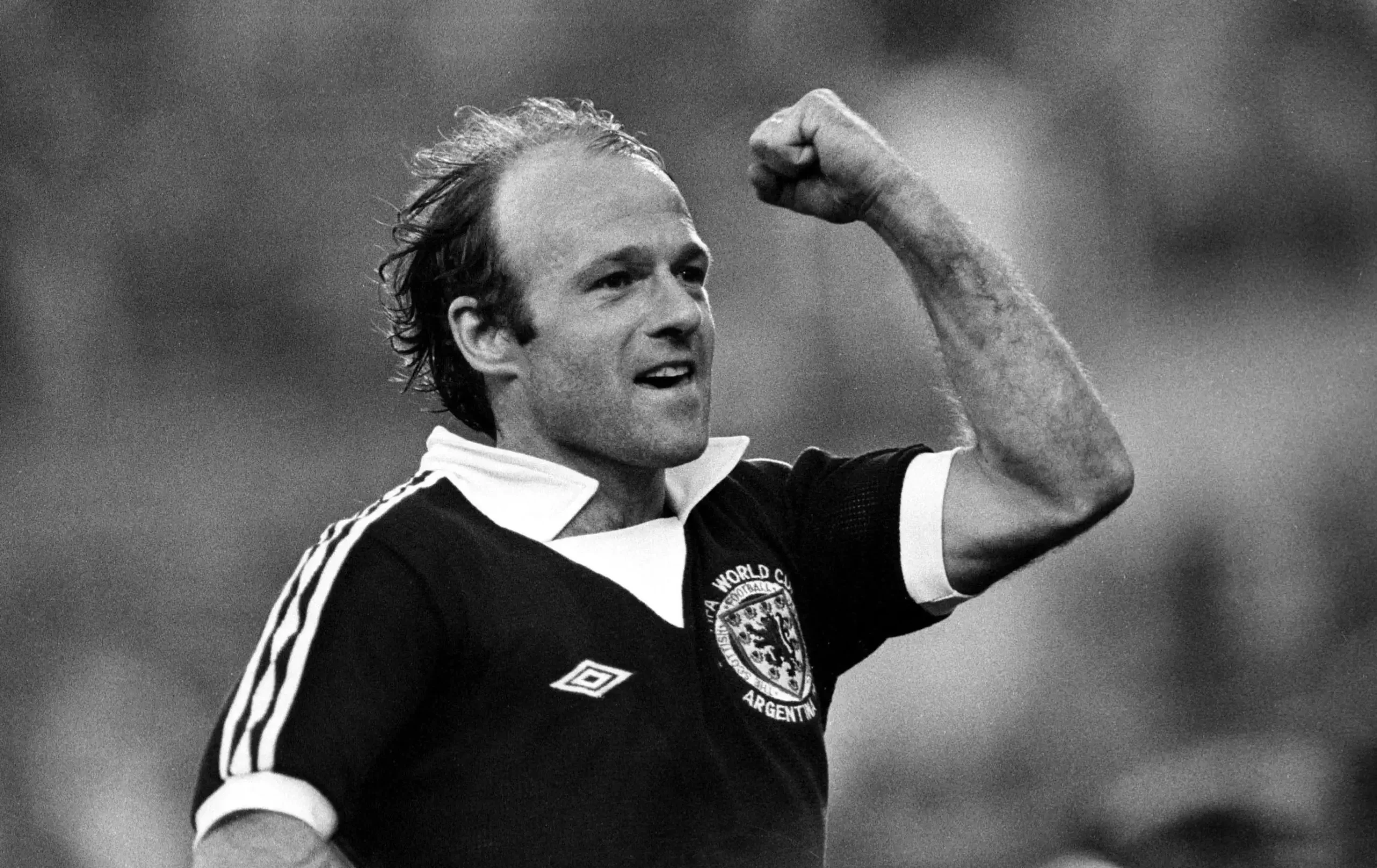
Dalglish smashed in a fine leveller just before half-time, however, and the Scots edged ahead seconds after the restart when Gemmill converted coolly from the spot.
The latter was not known as a player prone to the spectacular but with 22 minutes remaining he brought the unthinkable into view with one of the goals of the tournament.
Breaking in from the right wing, the little midfielder danced away from three Dutch defenders before lifting his head and lofting a delicious left-footed finish over the helpless Jan Jongbloed. Gemmill’s goal remains the unrivalled high point of Scotland’s World Cup history and, incredibly, it left MacLeod’s team within one goal of progressing at the Oranje’s expense.
However, while another magic moment did arrive – just 202 seconds later – it came at the other end to break Scottish hearts. Rep combined with Ruud Krol before advancing unchallenged from halfway and rifling a superb shot from fully 30 yards that flew into the top corner past the outstretched fingertips of Alan Rough.
Scotland’s dream was over, and the Dutch – after something of a scare – could continue their run to a second successive World Cup final.
Quotes
“I told my kids to save up to see us defend the World Cup in Spain, but it’s not to be. When we were 3-1 up, I looked at the clock and saw there was 20 minutes and realised it might be in our hands. But you get a bit elated when it’s like that and you get caught. It’s just one of those things. If we’d played like that from the beginning, we would have won the competition.”
Ally MacLeod, Scotland manager
“It’s fantastic that people regard [my goal] as one of the greatest ever, but I think that’s only because it happened in a World Cup and against one of the best teams in the world. If I’d scored that goal when I was at Derby County or Nottingham Forest or Birmingham City, you wouldn’t hear about it today. But because it was in front of a worldwide audience and against a team as talented as Holland, it’s now a piece of history.”
Archie Gemmill, Scotland midfielder
“I had a chance to make it 4-1, which would have qualified us, but headed straight at their keeper. What a diddy.”
Tom Forsyth, Scotland defender
“I just shut my eyes and hit out.”
Johnny Rep, Netherlands forward, on the goal that sent Scotland out