Sandro Sevillano played for the Cuban national team for 12 years, rising through the ranks from the U-15 squad to the senior side. While he competed in the qualifying stages for the FIFA World Cup™, he never managed to make it to the showpiece event.
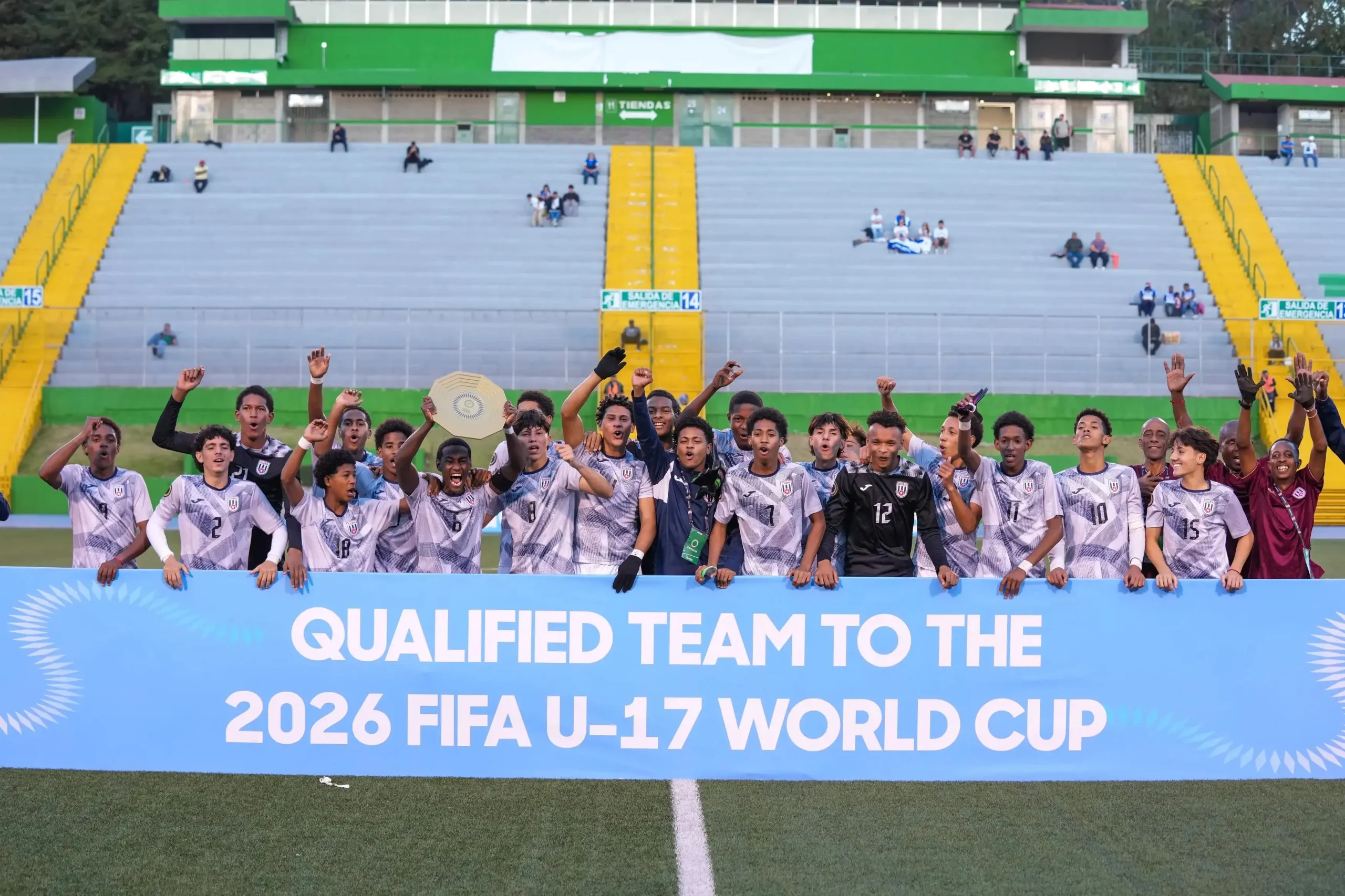
Since 2022, he has coached Cuba’s U-17 team and is set to take charge of his country at the FIFA U-17 World Cup Qatar 2026™ after guiding them to their first final tournament in this age group since 1991. This is the nation’s sixth FIFA tournament of all time. Following a fiercely contested qualifying campaign, Los Leones del Caribe – The Lions of the Caribbean – secured their passage to the finals.
Speaking with FIFA, Sevillano breaks down the achievement and shares his expectations for the global youth tournament.
FIFA: This will be Cuba’s first appearance at the FIFA U-17 World Cup since 1991. What does this qualification mean to the nation?
Sandro Sevillano: It means a lot. It’s a huge achievement and it’s something that hasn’t been done in 35 years. We worked hard and made it happen, which has sparked a lot of excitement across the country. Given that only the first-placed team qualifies, this is a big deal for the sport in our country and for us as a group.
Cuba featured at the FIFA U-20 World Cup last year and has now qualified for the U-17 World Cup. What are these younger generations like?
There is a lot of energy being put into the youth categories because you need a solid foundation to build success. The top priority is to put together a strong squad and make it to the World Cup in 2030. We’ve managed to qualify two teams in two consecutive years. The U-20 side held its own against some tough opponents. Despite not being a powerhouse in football, we still put up a good fight against Argentina and pulled off a historic draw against Italy.
After that, we went up against Australia and fell short, but the team gave it their all. The U-17 team has now followed in the footsteps of the U-20s, focusing on competing and continuing to learn so that we can develop football in our country.
Qualification for Qatar 2026 came down to some nail-biting results, with a 1-0 win over Curaçao, a 2-1 victory against El Salvador and a 0-0 draw in the final game against Belize. Are you pleased that the team showed they can handle the pressure?
The group was evenly matched, so we learned a lot by taking each game as it came. We learned to grind it out, dig in and get the job done. Although we qualified, there’s still a lot we need to improve on, which is a testament to the quality of our opponents who really pushed us to the limit. The group was really evenly matched and we had to deal with some tricky situations, like going into the final game against Belize needing at least one point.
How nerve-wracking was it? Could you describe what it was like?
No one ever plays for a draw, but the players definitely felt on edge after failing to convert our chances. That match didn’t turn out as planned, but the result did, which was great for us. We set out to win, but the draw was enough to get us through. There is still work to be done when it comes to managing the players’ nerves and building their confidence. There’s no margin for error at the World Cup, and you have to take your chances.
What is Cuba’s goal for the U-17 World Cup?
The main goal is for us to compete well. If the squad steps up to the challenge, we can make it through the group stage. When you compete, you have to be ambitious and remember that everyone is in the same situation. It comes down to hard work, perseverance and a bit of luck too. Our first goal is to get through the group stage so that we can keep improving, learning, and taking it a step further than other Cuban teams have managed to do.
Which players from the Cuban side will be the ones to watch in Qatar?
Yankarlos Iglesias, Deiby Borrell and the two centre-backs, Erik La O and Erick Martin, all have great potential, in my opinion. However, my focus is always on the group as a whole. As a footballing nation, we’re still developing, with a largely untapped domestic market, which means that every player has the opportunity to showcase their talents. In Cuba, we say that luck is crazy, and that it can work for anyone. It all depends on how well they perform, but Yankarlos, Deiby, Erik and Erick set the bar high for this age group. This line-up has the makings of something special. Six of our players were born in 2009, so they’re pretty young. You can see they’ve come a long way, but they need to keep developing.